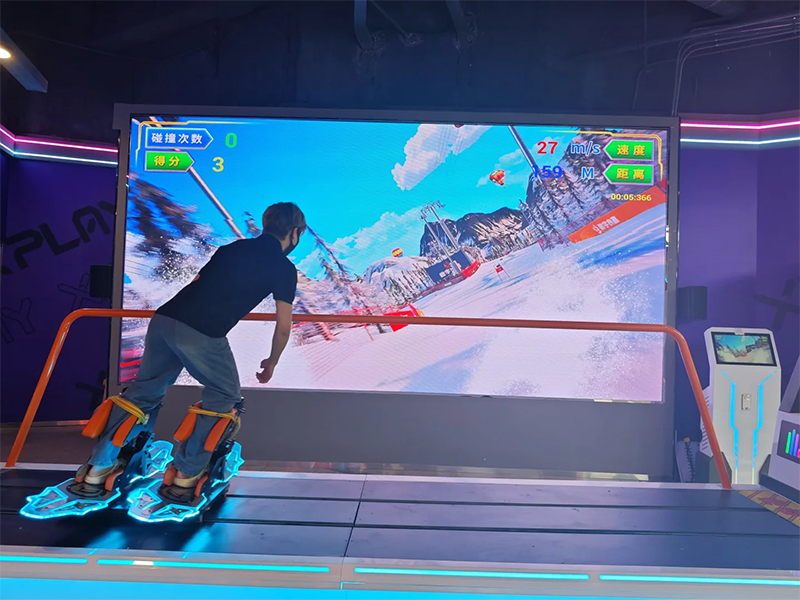
Transforming Indoor Sports & Entertainment: From Concept to Reality We recently delivered a state-of-the-art indoor digital sports venue for our client in Thailand. From initial layout planning to final installation and operational guidance, this successful launch showcases our commitment to turning ambitious visions into profitable, high-tech entertainment spaces.
READ MOREThis guide explores essential live fire range safety systems, including ballistic traps, HVAC filtration, and noise reduction. Digital simulators safely elevate tactical training.
READ MOREBadminton simulators use advanced optical tracking to improve smash accuracy. This data-driven technology offers targeted repetition for athletes and strong ROI for venues.
READ MOREMovable archery ranges offer a flexible, cost-effective alternative to permanent facilities. These portable setups provide safe, high-ROI shooting environments for any event.
READ MOREModern rowing machines use advanced sensors and flywheel physics to measure stroke power. Understanding these metrics helps you refine technique and optimize virtual training.
READ MOREAdvanced ping pong simulators use high-speed cameras, AI, and physics engines to replicate authentic ball spin. This technology elevates pro training and commercial venues.
READ MOREMaximize venue ROI with commercial LED floor games. Ultra-low latency and high dynamic load capacities prevent lag, ensuring a durable, profitable, and active arcade attraction.
READ MOREMaximize venue revenue by upgrading to multiplayer digital basketball simulators. Adjust game session times and eliminate downtime to boost throughput and ROI.
READ MORECommercial riding archery simulators fuse motion platforms with projection mapping. They provide entertainment venues a high-ROI active attraction with immersive gameplay.
READ MOREAccurate soccer simulators combine high-speed cameras and infrared sensors. Proper hardware placement ensures precise ball speed and spin tracking for professional indoor training.
READ MOREIndoor pickleball simulators provide year-round training and commercial value. Precise bay dimensions ensure accurate sensor tracking, player safety, and multi-sport versatility.
READ MOREBuilding an indoor sports simulator? Discover exact ceiling height requirements for golf, soccer, and tennis to avoid costly setup mistakes.
READ MOREBuying a billiard simulator? Discover how advanced cue tracking, tip contact precision, and realistic physics separate pro tools from arcade toys.
READ MOREAvoid indoor tennis simulator misreads. Discover how tracking speed, latency, and hardware dictate shot accuracy and real training value.
READ MOREPrevent training scars and sensor drift. Discover expert calibration protocols for indoor shooting simulators to ensure flawless accuracy and ROI.
READ MOREVisuals can't fix floaty mechanics. Discover why active force feedback and resistance engineering define the best interactive skiing machines.
READ MOREImagine shooting arrows indoors, shielded from wind and rain. Indoor archery offers this unique experience. Understanding standard ranges is crucial for safety and skill development. In this post, you'll learn about indoor archery's setup, equipment, and standard distances, ensuring a safe and enjoy
READ MOREEver dreamed of shooting arrows at home? Setting up an Indoor Archery Range in your backyard is possible. This guide will show you how to create a safe and fun space for practice. You’ll learn essential setup tips, key equipment, and important safety measures. By the end, you’ll know how to enjoy ar
READ MOREIntroductionIndoor archery is no longer limited to traditional ranges. Modern indoor setups allow archery practice in controlled environments, making it safe, precise, and convenient. With innovations like movable targets and horse riding archery simulators, indoor archery is accessible to everyone.
READ MOREIntroductionIndoor archery competitions, such as the Indoor Archery World Series, require precise measurement and standardized setup to ensure fairness and accuracy. For organizers, coaches, and facility managers, understanding the official distance is crucial for preparing athletes, designing venue
READ MORE