


Views: 0 Author: Site Editor Publish Time: 2026-08-10 Origin: Site


Coaches and facility owners constantly face a frustrating reality: erratic exit velocity readings. Handheld radar guns often fail to capture the true speed of a hit ball. Poor angles, uncontrolled batting cage environments, and user error create massive data discrepancies. When athletes see fluctuating numbers on perfect barrel contacts, they lose faith in the measurement tools. Inconsistent data compromises player development tracking. It invalidates baseline testing and diminishes a training facility's credibility. Players cannot trust their metrics when the hardware guesses rather than measures.
The modern baseball simulator serves as the technical standard for standardizing exit speed measurement. It shifts the focus away from isolated radar readings. Instead, it relies on integrated, multi-sensor data collection within a highly controlled environment. This technological leap ensures that every swing produces verifiable, actionable data. Facility operators can finally provide athletes with the precise feedback required to refine mechanics and track real progress.
Consistency Requires Controlled Environments: Reliable exit speed measurement depends as much on the physical setup (lighting, angles, standardized equipment) as it does on the tracking hardware.
Sensor Fusion is the Standard: Top-tier systems combine high-speed optical cameras with radar to eliminate the blind spots and misreads common in single-sensor setups.
Data Context Matters: A commercial-grade baseball simulator doesn't just measure speed; it contextualizes it with launch angle, spin rate, and point of contact to verify the accuracy of the reading.
Facility ROI is Tied to Data Trust: Investing in high-fidelity tracking hardware reduces churn by providing verifiable, apples-to-apples progression metrics for athletes.
Standalone radar guns suffer heavily from the cosine error phenomenon. Radar technology measures speed accurately only when the object moves directly toward or away from the sensor. Slight misalignments in radar placement artificially deflate exit speed readings. A coach standing outside the batting cage cannot align the gun perfectly with the ball's flight path. Even a gun mounted directly behind the catcher struggles to track a ball hit sharply down the third-base line. The resulting angle creates a mathematical discrepancy, robbing the hitter of their true exit velocity.
Many facilities rely on pocket radars set to continuous mode. These devices attempt to capture every swing automatically. However, continuous mode introduces severe accuracy issues. The radar often captures bat speed instead of ball speed. It also picks up background interference, such as a ball returning from a pitching machine or movement in an adjacent cage. Operating standalone units also imposes a heavy manual coaching tax. Coaches must constantly monitor the device, record numbers manually, and reset the gun. This workflow detracts from actual instruction. Integrated simulator tracking offers an automated, hands-free workflow that eliminates these manual burdens.
Cosine error reduces recorded speed based on the angle of deviation from the radar's line of sight.
Continuous mode radar frequently triggers on bat movement rather than the ball leaving the barrel.
Background interference from adjacent cages causes false readings and corrupted data sets.
Manual operation requires a dedicated coach, reducing the time available for mechanical instruction.
Reliable baseline testing requires an apples-to-apples environment. Facilities must standardize bat material, bat weight, and ball type to gather meaningful data. Hitting a fresh baseball with a wood bat produces a vastly different exit velocity than hitting a worn ball with a composite bat. Dead baseballs absorb energy upon impact, severely skewing raw exit velocity data. Dimpled machine balls deform differently than leather baseballs, altering the rebound effect off the barrel. Even varying cage netting tension can impact how a standalone radar registers the ball's deceleration.
Ball mass differences also play a critical role in measurement accuracy. A standard baseball weighs five ounces. A fastpitch softball weighs nearly seven ounces and features a significantly larger circumference. Tracking algorithms must recalibrate when switching between these two sports. A system calibrated solely for baseballs will miscalculate the exit speed of a softball due to the different drag coefficients and surface areas. High-end tracking systems account for these physical differences to maintain precision across all sports.
Ball Type | Surface Material | Deformation on Impact | Impact on Exit Velocity Reading |
|---|---|---|---|
Standard Leather Baseball | Cowhide with raised seams | Moderate | Baseline standard for accurate measurement. |
Dimpled Machine Ball | Polyurethane | High | Alters rebound effect, often inflating speed. |
Waterlogged/Dead Baseball | Leather (compromised core) | Very High | Absorbs energy, severely deflating speed. |
Fastpitch Softball | Synthetic leather (larger surface) | Moderate | Requires algorithm recalibration due to drag. |
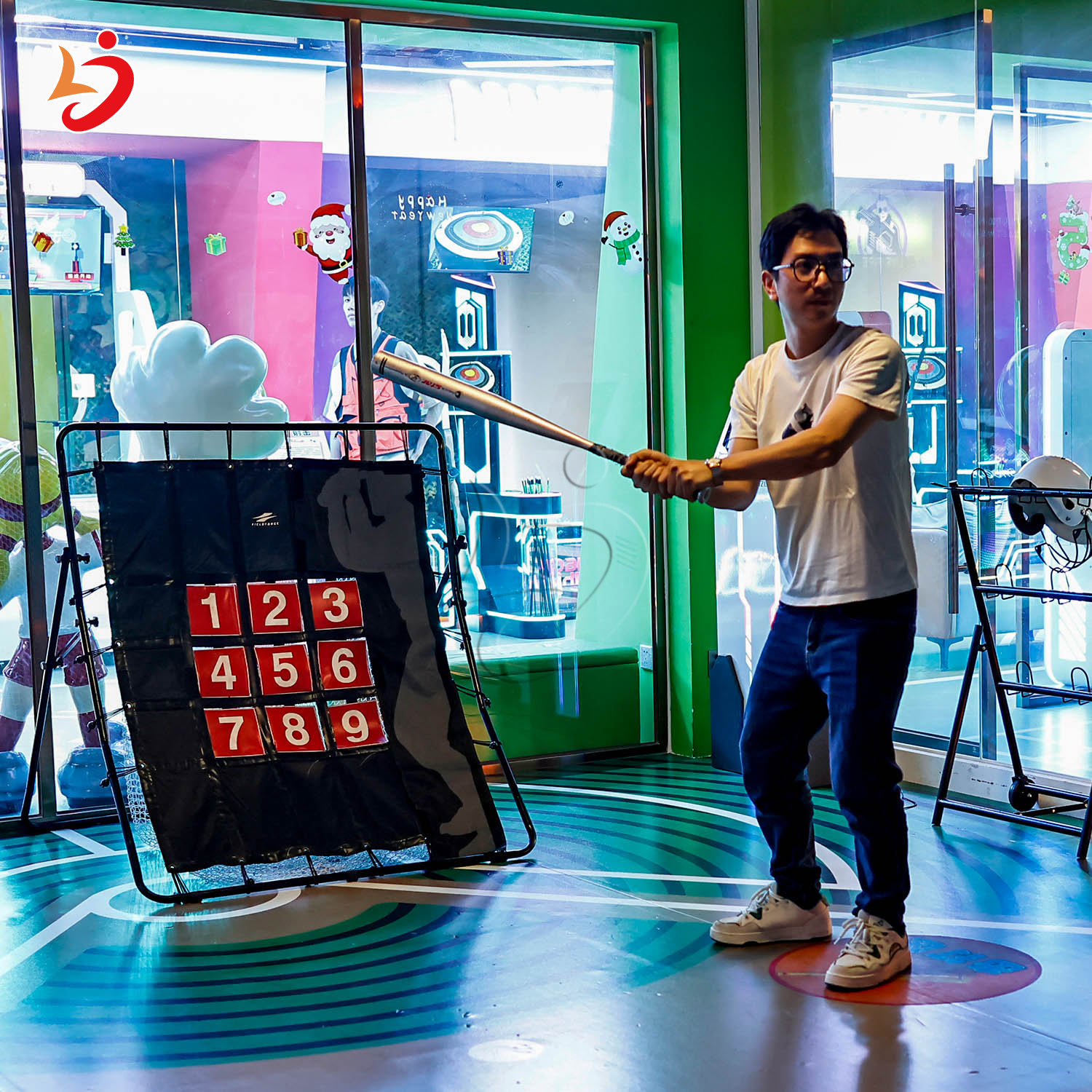
Optical tracking systems utilize stereoscopic camera arrays to capture the ball at the exact moment of impact. These cameras do not rely on Doppler shift. Instead, they calculate speed through frame-by-frame spatial displacement. The system takes thousands of pictures per second. It measures exactly how far the ball travels between each frame. This method provides an incredibly accurate measurement of the ball's velocity immediately after it leaves the bat.
Optical systems hold a distinct advantage in measuring the initial vector. They capture launch angle and launch direction simultaneously with exit speed. This simultaneous capture validates the speed reading. Modern optical tracking also handles differing ball surface areas exceptionally well. The cameras use edge-detection algorithms to identify the ball against the background. They recognize the contrast of red baseball seams just as effectively as the bright yellow surface of a softball. This ensures consistent recognition regardless of the equipment used.
Advanced baseball batting simulator setups merge photometric data with continuous radar tracking. This sensor fusion represents the gold standard in ball flight measurement. Cameras capture the initial impact and launch vector. Radar tracks the sustained flight path. The system cross-references the ball's initial acceleration with its downrange velocity. This fusion validates the exit speed and eliminates the blind spots inherent in single-sensor systems.
Hardware placement dictates the reliability of these systems. Floor-mounted tracking units sit close to the action. They provide excellent low-angle tracking but remain vulnerable to erratic swings and foul balls. Overhead, cage-mounted sensor units keep the hardware safe. They maintain clear lines of sight from above the batter. Isolating the sensors from the physical impact zone ensures long-term calibration stability and reduces maintenance downtime.
Integrating the tracking system with an interactive baseball machine creates a closed-loop data environment. The system knows exactly what happens before, during, and after the swing. The pitching machine communicates the exact incoming pitch velocity, spin rate, and location to the tracking software.
Knowing the incoming pitch metrics allows the software to filter out anomalies. If a 60 mph pitch results in a 110 mph exit velocity from a youth player, the system flags the data point as an error. The closed-loop environment validates the resulting exit speed by comparing the energy entering the collision zone with the energy leaving it. This integration ensures that the displayed metrics reflect true athletic performance.
Hardware calibration determines the success or failure of a commercial tracking system. Facilities must evaluate the success criteria for calibration during the purchasing phase. Auto-calibration features use internal sensors to align the cameras and radar automatically. Manual grid mapping requires staff to place physical markers in the cage to teach the cameras the spatial dimensions. Auto-calibration saves hours of labor and reduces human error.
Commercial facilities generally accept a margin of error of +/- 1 to 2 mph. Buyers must test this margin during a vendor demo using a mechanical pitching machine and a standardized bat. Software must also include standardized bat-type profiles. A composite USSSA bat produces a trampoline effect that inflates exit velocity. A wood bat provides a truer measure of raw power. Selecting the correct bat profile in the software prevents "hot-bat" inflation from skewing athletic talent baselines.
Calibration Feature | Auto-Calibration | Manual Grid Mapping |
|---|---|---|
Setup Time | Under 5 minutes | 30 to 60 minutes |
Human Error Risk | Extremely Low | High |
Maintenance Frequency | Daily automated checks | Monthly or after cage movement |
Ideal Environment | High-volume commercial cages | Fixed, private training academies |
Processing speed directly impacts the training experience. The system must display exit velocity instantaneously. Hitters rely on immediate feedback to connect their physical sensation with the resulting data. If a player hits a line drive, they need to see the exit speed before they reset their stance for the next pitch.
High latency disrupts the training loop. If the screen takes three seconds to render the data, the hitter loses the cognitive connection to the swing. Users relying on immediate mechanical adjustments become frustrated by delayed feedback. Commercial systems must feature robust processing units capable of crunching stereoscopic images and radar waves in milliseconds.
Modern software ecosystems log exit speed over time to build comprehensive player profiles. The system categorizes exit velocity by age group, pitch type, and location in the strike zone. Coaches can see if a player struggles to generate power on inside fastballs or low curveballs. This granular data drives targeted practice plans.
Integration of age-and-gender-stratified database benchmarks adds vital context. The software compares a 14-year-old's exit velocity against national percentiles for ages 8-18. This contextual tracking shows whether a player remains "on track" for their development stage. Cloud-based profiles allow athletes to access their historical exit velocity charts remotely. They can share these verified metrics with college recruiters, proving their progression over time.
A virtual baseball game interface drives facility rentals and youth engagement. Hitting in simulated MLB stadiums transforms a standard batting practice into an immersive experience. Players compete in home run derbies or simulated games. This gamification creates a powerful business value, attracting casual players and birthday parties to the facility.
However, facilities must navigate a critical trade-off. The graphical rendering of the virtual environment must not consume processing power required for raw data accuracy. High-end systems utilize dedicated graphics cards to handle the visual output. This ensures the core tracking algorithms process the exit velocity without interruption or lag. Pure analytics must always take priority over visual flair in a development setting.
The emerging use of an AR baseball simulator blends digital overlays with physical batting cages. Players see virtual targets projected directly onto the hitting net. The system tracks the ball and displays the impact point in real-time. This augmented reality setup keeps the player's focus forward, eliminating the need to turn and look at a monitor.
Facilities must evaluate the cost-to-benefit ratio of AR setups versus traditional screen-and-projector simulators. AR systems require specialized projection hardware and highly controlled ambient lighting. While they offer superior immersion, traditional simulators often provide the same level of raw data accuracy at a lower installation cost. Serious player development facilities must weigh these factors based on their target demographic.
Improper ambient lighting represents the primary failure point of optical simulators. Flickering LEDs or uneven shadows disrupt camera shutters. The cameras cannot track the ball if the lighting creates motion blur. Facilities must install high-frequency, non-flickering LED fixtures. Vendors provide specific lighting specifications detailing the required lumen output and color temperature.
Spatial constraints also dictate system performance. Cameras require a minimum distance from home plate to the screen to capture enough frames of the ball in flight. If the cage is too short, the system cannot calculate exit speed accurately. Structural vibration drift presents another major risk. Hitting a baseball into a net transfers massive kinetic energy to the cage frame. Facilities must isolate cage-mounted sensor brackets from hitting-net frame vibration. Mounting sensors directly to the building's ceiling or walls prevents calibration misalignment caused by net movement.
Verify cage dimensions meet the vendor's minimum flight distance requirements.
Install high-frequency LED lighting to eliminate camera shutter flicker.
Mount tracking sensors to rigid building structures rather than flexible cage netting frames.
Ensure the backdrop netting provides high contrast against the color of the baseball.
Simulator sensors possess a finite lifecycle. Continuous exposure to dust, vibration, and occasional impacts degrades hardware performance over time. Facilities face the risk of hardware obsolescence as tracking technology evolves. Budgeting for sensor replacement every five to seven years ensures the facility maintains its competitive edge.
Negotiating robust service level agreements mitigates software risks. These agreements should include regular software updates. Vendors continuously refine their exit speed algorithms and edge-detection capabilities. Accessing these updates ensures the system remains accurate. Facilities should also secure priority technical support to minimize downtime during peak rental hours.
Audit your current batting cage dimensions to ensure they meet the minimum tracking distance requirements for optical and radar sensors.
Assess your facility's lighting infrastructure to confirm compatibility with high-speed camera shutter requirements.
Request technical data sheets from vendors, specifically demanding their margin of error and detailed calibration protocols.
Standardize the bats and balls used in your facility during baseline testing to ensure accurate, apples-to-apples data collection.
A: Simulators drastically reduce cosine error by utilizing multiple tracking points from optimized angles. They combine optical cameras and radar to validate ball flight. This multi-sensor approach makes them significantly more consistent and accurate than handheld radar guns, especially in confined cage spaces.
A: Industry standards typically require a minimum cage length of 15 to 20 feet from home plate to the impact screen. This distance ensures the cameras and radar capture enough ball flight frames to calculate an accurate exit speed reading before the ball hits the net.
A: Yes. While the visual output is highly gamified, commercial-grade systems use the exact same raw physics data to dictate the virtual result. The exit velocity, launch angle, and spin rate determine the ball's trajectory in the simulated stadium.
A: Most modern systems perform daily auto-calibration checks upon startup to ensure baseline accuracy. However, facilities should perform seasonal manual recalibrations, or recalibrate immediately if the cage structure or sensor mounts experience physical movement or heavy vibration.
A: Netting does not change the ball's speed off the bat. However, loose netting or improper backdrop colors can interfere with optical camera tracking. A taut, dark-colored backdrop provides the necessary contrast for cameras to detect the ball accurately.
A: Yes. Multi-sport systems adjust their optical algorithms and sensor calibrations based on the selected sport. They account for the specific differences in ball circumference, mass, and seam color to maintain precision for both baseball and softball.
A: Absolutely. Keeping the bat model, length, and weight consistent isolates real athletic development changes. It prevents the mechanical advantages provided by composite bat materials from artificially inflating a player's baseline metrics.
