


Views: 0 Author: Site Editor Publish Time: 2025-10-31 Origin: Site


Indoor archery ranges have become increasingly popular as schools, sports clubs, commercial centers, and private fitness facilities explore structured sports programs that offer precision, discipline, and excitement in limited indoor space. A key question for operators, coaches, and investors is simple yet crucial: How long are indoor archery ranges supposed to be? The answer influences safety, accuracy, space cost, equipment planning, athlete development, and commercial value. While many sports rely on open outdoor fields, archery stands out as one of the most suitable disciplines for indoor training—thanks to controlled environments and advanced movable or simulation systems. With evolving facility technology, including movable range lanes and mounted archery simulators offered by Liangjia Sports Technology (Guangzhou) Co., Ltd., operators now enjoy tremendous flexibility in building high-quality indoor setups, whether for beginners, professionals, or entertainment centers. Let’s explore the ideal indoor archery range length, the factors shaping facility design, and how modern interactive systems redefine traditional range concepts.
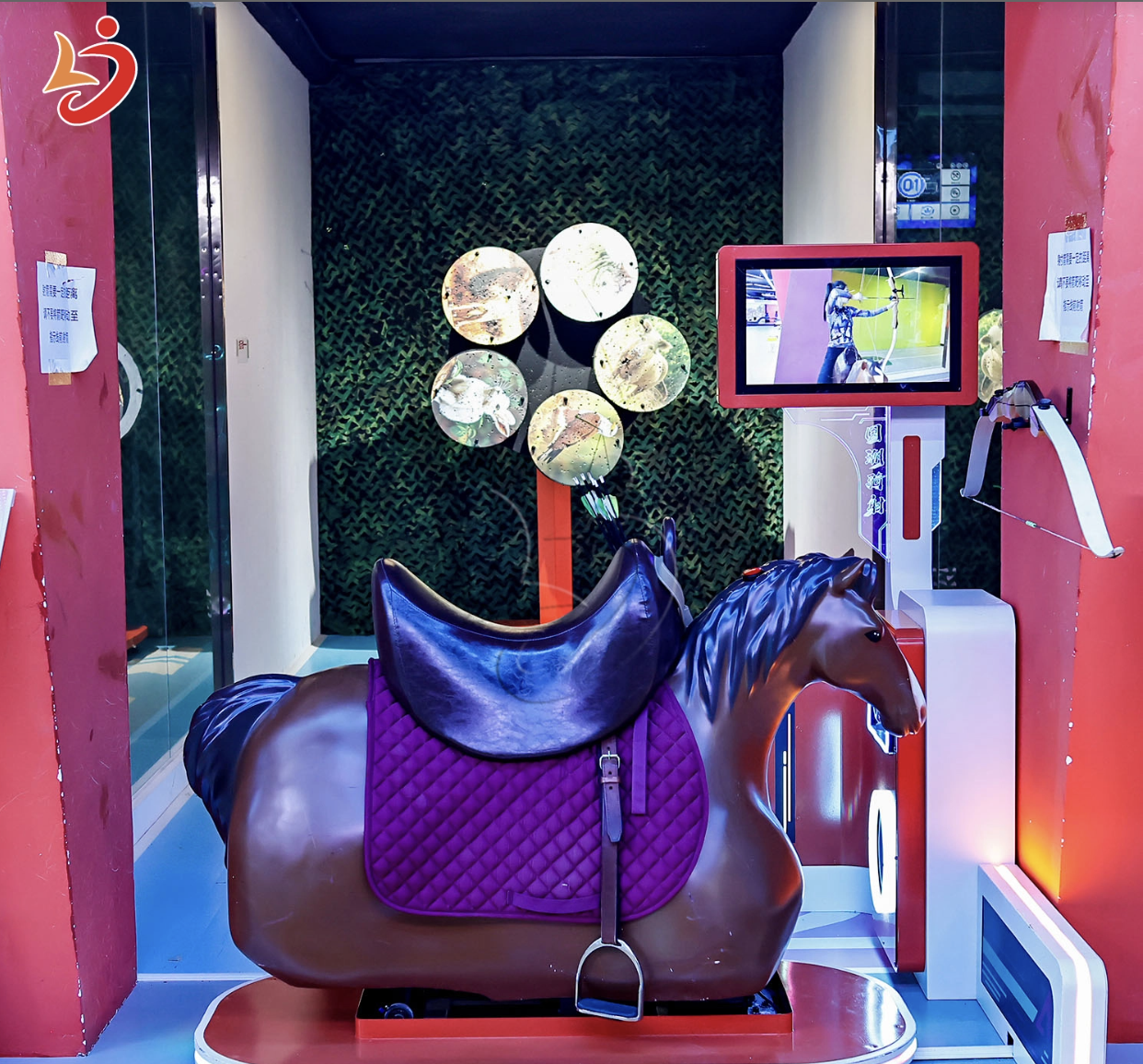
The most widely accepted standard length for indoor archery ranges is 18 meters (approximately 20 yards), which aligns with international World Archery and competitive standards. This distance is used for Olympic-style indoor practice and professional tournaments. However, not all facilities or programs require the full 18-meter range. Beginner facilities often start with 5–10 meters, allowing newcomers to learn posture, grip, and release control before moving to competitive distance. Recreational centers and club schools frequently choose 10–15 meters to support gradual progression across skill stages. Advanced clubs and performance programs adopt a full 18-meter setup, including additional buffer zones behind shooting and target lines to ensure safe arrow retrieval and coaching space. Meanwhile, mounted archery simulators—an increasingly popular indoor activity—use 7–12 meters, as their interactive nature and moving platform reduce the need for full competition distances. These distance variations help operators choose the optimum balance between space, safety, and training outcomes, ensuring archery remains accessible regardless of venue type.
Indoor archery range length is not simply a number—it shapes skill development, facility operation, and safety standards. Shorter ranges enhance confidence and reduce risk for beginners, especially youth programs where proper technique matters more than arrow flight distance. As distance increases, archers face greater aerodynamic challenges, requiring consistent anchor points, controlled breathing, and smooth release execution. For competitive training environments, a proper 18-meter lane ensures athletes prepare accurately for certified events. Beyond skill building, length determines facility planning: safe walk-back space, coaching lanes, and arrow containment systems must be incorporated. Professional ranges also integrate high-density backstop nets, reinforced safety curtains, foam walls, and materials to catch arrows safely. Meanwhile, businesses must consider rental costs, customer flow, and throughput—shorter lanes mean more participants per hour, but may reduce advanced practice capability. Thus, choosing proper length requires understanding usage goals, customer demographics, and long-term growth strategy.
Indoor range design includes more than shooting distance—ceiling height, width, buffer zones, and equipment placement all determine safety and performance. Standard lane width spans 1.2 meters per archer, though 1.6 meters or more is preferred for coaching comfort and broad-shoulder shooters. Ceiling height must reach minimum 3 meters, ideally 4–5 meters in professional venues with additional netting or suspended lighting equipment. Behind targets, modern ranges need 2–5 meters of protection area, including padded walls or thick layered foam boards. Behind shooting lines, 2–4 meters support coaching, bow racks, and spectator movement. These layouts mirror guidelines from competitive sports institutions and ensure that indoor facilities operate safely under high usage conditions. Facilities that integrate video analysis or digital scoring systems should allocate space for screens or projector systems. Proper ventilation, anti-glare lighting, and acoustic control also improve experience—archery requires quiet concentration, and a well-designed space enhances training focus and commercial appeal.
Facility Element | Minimum Requirement | Professional Standard |
Shooting Distance | 5–18m | 18m |
Lane Width (per lane) | 1.2m | 1.6–2m |
Ceiling Height | 3m | 4–5m |
Space Behind Targets | 2m | 4–5m |
Space Behind Shooters | 2m | 3–4m |
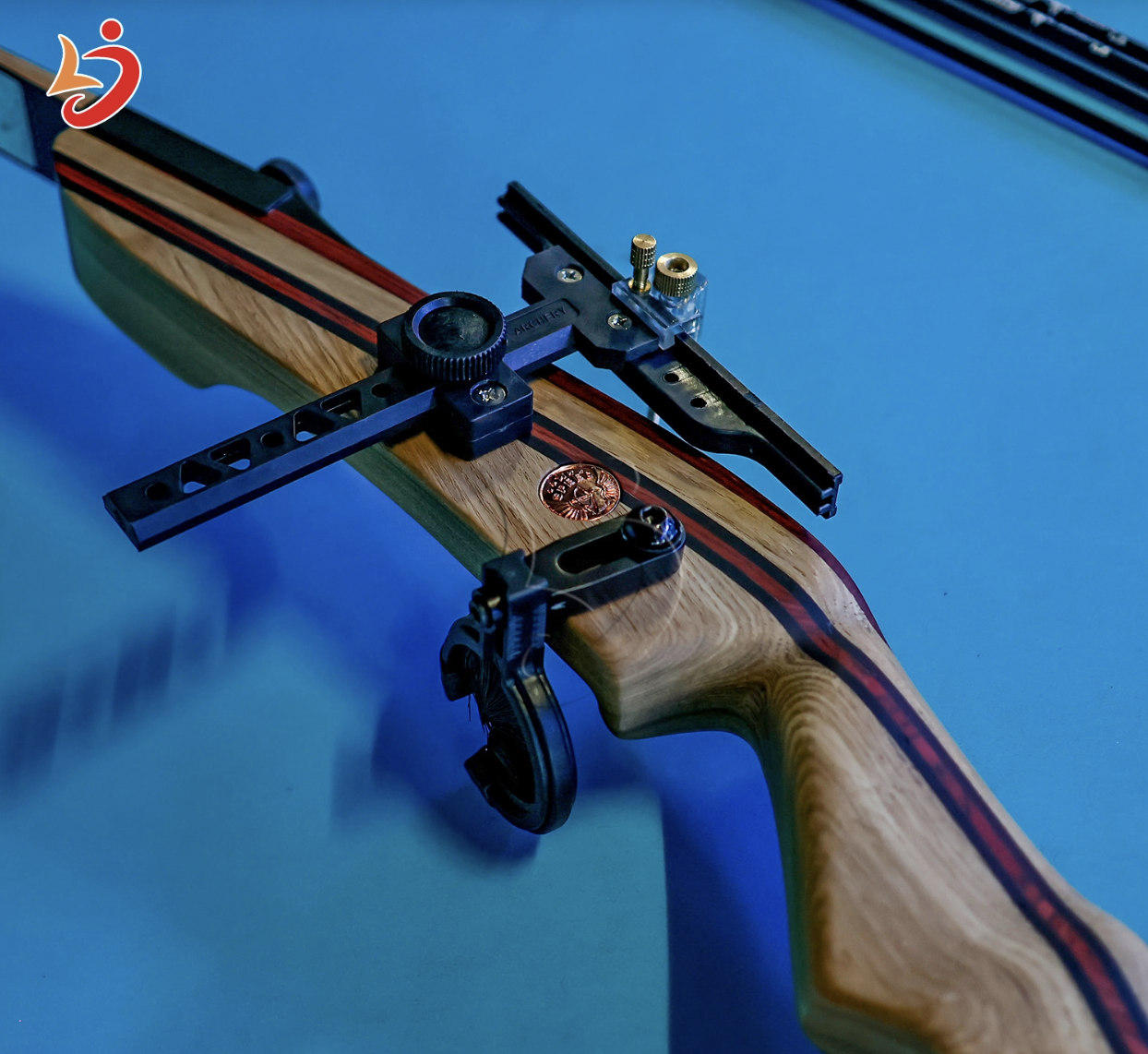
Traditional indoor ranges require fixed walls, permanent lanes, and structural renovations. Modern ranges, however, embrace modular and movable systems, allowing one indoor space to serve multiple sports activities. Movable target carts, rolling foam backstops, retractable protective nets, and mobile safety dividers enable operators to change shooting distance quickly—supporting progressive training without permanent installation. Schools, event halls, community centers, and mall-based sports parks benefit from this model, as it allows transitioning from 5 meters beginner practice to 18 meters competitive distance in minutes. Coaches can reconfigure lane spacing, shorten distances for youth groups, or expand lanes for high-level athlete training. Movable solutions minimize renovation costs, avoid wall drilling, and reduce long-term facility overhead. Additionally, this format gives investors flexibility: if tenant contracts change or business direction evolves, the equipment moves with the business. Modern archery has evolved beyond fixed walls—flexibility is now a core advantage of indoor range design.
Mounted archery, historically practiced by horseback warriors, is gaining renewed popularity through modern simulation systems. Indoor mounted archery simulators require 7–12 meters of lane length, much shorter than standard ranges but offering dynamic motion training, balance practice, and interactive challenge modes. Liangjia Sports Technology's simulation platforms replicate galloping motion, allowing archers to practice timing, posture, release technique, and body stability without live horses. With advanced motion sensors, speed modes, and immersive display systems, riders receive real-time performance feedback—something impossible in outdoor horseback shooting. Mounted simulators fit martial arts schools, national cultural training halls, amusement centers, and professional archery clubs seeking diversified programs. Their compact footprint means operators maximize space value while delivering unique cultural training and premium user experience. By combining simulation and adjustable lane systems, facilities can offer youth programs, martial sports, family entertainment sessions, competitive prep, and cultural workshops—all within standard indoor real estate footprints.
The right range length depends on program goals, user demographics, and business positioning. Schools and youth academies thrive with 5–10 meter lanes, ensuring safety and foundational development. Recreational sports venues and fitness clubs ideally choose 10–15 meters, supporting fun, skill improvement, and high user turnover. Competitive programs require the full 18-meter standard, often combined with performance monitoring technology and structured coaching curriculum. Commercial sports parks and mall attractions benefit most from movable 8–12 meter systems paired with interactive games, kid-friendly modes, and short-distance warm-up lanes. Mounted archery simulators complement these setups by offering immersive cultural sport training within compact footprints. Operators should evaluate ceiling height, safety wall capabilities, ventilation, coaching staff ratio, and future growth plans. A hybrid layout—one simulator lane + two flexible shooting lanes + future expansion corridor—creates a sustainable, scalable facility capable of adapting to evolving market trends and customer needs.
Indoor archery range length varies by purpose: 5–10 meters for beginners, 10–15 meters for general training, and 18 meters for competitive practice, while mounted archery simulators operate effectively at 7–12 meters. Understanding distance standards helps educators, sports clubs, and businesses design safe, scalable, high-value training environments. Modern movable lanes and simulator systems from Liangjia Sports Technology (Guangzhou) Co., Ltd. enable flexible operation, allowing one facility to support youth training, professional practice, fitness activities, martial-cultural programs, and entertainment events. Indoor archery has evolved beyond fixed walls and elite sports facilities—today, it is accessible, adaptable, and commercially viable. Whether developing athletes or building a profitable sports venue, choosing the right indoor range length and equipment ensures long-term performance and growth.
A: A standard indoor archery range is 18 meters (20 yards), which is the official competition distance. However, beginners often start at 5–10 meters, and recreational facilities may use 10–15 meters. Facilities with a movable archery range system can easily adjust distance for different skill levels.
A: Yes. Training centers, schools, and commercial venues often design 5–12 meter lanes to focus on form, safety, and youth practice. This setup also fits compact venues and works well with modular or movable archery range layouts for multi-purpose spaces.
A: Indoor archery ranges typically require 3 meters minimum ceiling height, while professional venues prefer 4–5 meters to accommodate netting, safety curtains, and lighting. Taller ceilings provide better ventilation and safer arrow trajectory clearance.
A: Most indoor ranges leave 2–5 meters behind the target for safety barriers and arrow retrieval. Facilities using padded backstops or foam-shield netting systems can reduce risk while keeping space efficient.
A: Yes. With modern horse riding archery simulators, mounted archery can be practiced safely indoors using 7–12 meter lanes, motion platforms, and virtual galloping systems—no real horses needed. This setup is ideal for cultural sports centers and premium entertainment venues.
A: Movable indoor archery ranges use mobile target carts, retractable nets, and modular barriers, allowing venues to change distance, reconfigure lanes, or convert space for other sports and events. This boosts venue utilization and ROI.
A: Yes. Indoor ranges use high-density foam, netting, or layered backstop systems to safely stop arrows. Quality padding and side barriers are essential to protect walls and ensure safe operation in gyms, commercial spaces, and private facilities.
