


Views: 0 Author: Site Editor Publish Time: 2025-10-31 Origin: Site


Imagine shooting arrows indoors, shielded from wind and rain. Indoor archery offers this unique experience. Understanding standard ranges is crucial for safety and skill development. In this post, you'll learn about indoor archery's setup, equipment, and standard distances, ensuring a safe and enjoyable experience.
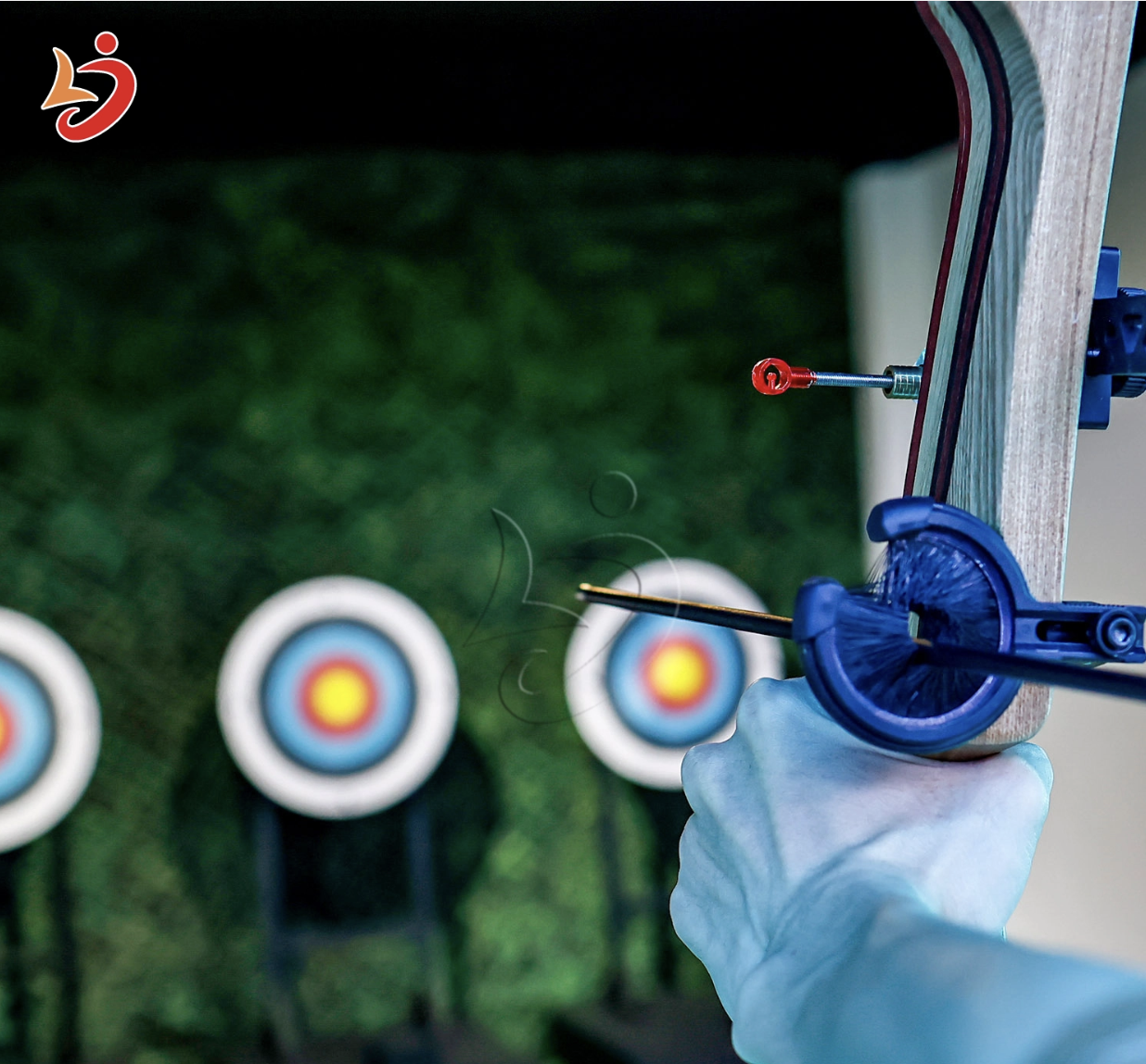
Indoor archery is a sport where archers shoot at stationary targets inside a building. Unlike outdoor archery, which takes place in open fields or ranges, indoor archery happens in controlled environments. This setting offers consistent lighting, weather protection, and a safer space for beginners and experienced shooters alike.
In terms of equipment, indoor archery typically uses shorter distances—most commonly 18 meters (about 20 yards). Targets are smaller, with precise scoring rings, making accuracy essential. The space behind the targets is often reinforced with safety barriers like curtains or backstops to catch stray arrows. The layout is designed to maximize safety, comfort, and focus, with clear lanes for each archer.
Characteristics of Indoor Archery include:
Shorter shooting distances (usually 18 or 25 meters)
Smaller targets, generally 40 centimeters in diameter
Controlled indoor environment—no weather interference
Emphasis on precision, consistency, and technique
Use of specific target faces with scoring rings for fair competition
Outdoor archery differs significantly from its indoor counterpart. It involves longer distances, often ranging from 30 meters up to 90 meters or more, depending on the discipline. The targets are larger—typically 80 centimeters in diameter—and are set in natural terrain, which introduces variables like wind, sunlight, and uneven ground.
While indoor archery focuses on accuracy at fixed short distances, outdoor archery tests adaptability over varying conditions. The equipment used can be similar—recurve, compound, or barebow bows—but outdoor competitions demand more from archers' skills, such as adjusting for weather and shooting from different angles.
Another key difference is the setting: indoor ranges are enclosed, providing a stable environment, ideal for training, practice, and competitions during any season. Outdoor ranges, however, are often exposed to the elements, making them suitable for field and target archery disciplines that simulate hunting or natural scenarios.
In summary, indoor archery provides a safe, consistent, and focused environment to develop skills and compete. It emphasizes precision over distance, with standard ranges typically set at 18 or 25 meters, making it accessible and popular worldwide for beginners and seasoned archers alike.
Indoor archery is designed around specific, standardized distances that promote fairness, safety, and consistency. These distances are carefully chosen to challenge archers' accuracy while maintaining a controlled environment. The most common indoor shooting distances are 18 meters (approximately 20 yards) and 25 meters (about 27 yards). These distances are recognized internationally and are used in most competitions and training sessions.
18 meters is the standard for many beginner and recreational indoor archery activities. This shorter distance allows new archers to develop their technique and accuracy without the intimidation of longer ranges. It’s also the typical distance used in many local clubs, making it accessible for a broad range of skill levels.
25 meters is the standard for more advanced and competitive indoor archery events. Many international competitions, including the Indoor Archery World Series, utilize this distance. It challenges archers to refine their precision, as the target face remains the same size, but the increased distance demands greater consistency and control.
In terms of target size, indoor targets are usually 40 centimeters in diameter, with specific scoring rings that require precise shots. The targets are smaller than outdoor targets, which are often 80 centimeters, emphasizing accuracy over distance.
While 18 and 25 meters are the most common, some competitions and training programs may utilize different distances to suit various purposes:
Training sessions may include shorter distances like 10 or 15 yards for beginners or for practicing specific techniques.
Indoor tournaments sometimes feature multiple shooting distances, especially in multi-discipline events, to test versatility.
Youth competitions often use even shorter distances, such as 5 or 10 meters, to accommodate smaller stature and skill level.
Specialized events might include longer indoor ranges up to 30 meters, particularly for national or international championships, providing a more challenging environment.
These variations help coaches and organizers tailor the experience to different skill levels and goals. For instance, shorter distances promote confidence and focus on form, while longer indoor ranges push archers to improve consistency and accuracy under more demanding conditions.
In summary, the standard indoor archery range typically features 18 and 25 meters, with some variations based on competition level, age group, and specific event rules. Understanding these distances helps archers prepare better and ensures competitions adhere to international standards, promoting fairness and safety across the sport.
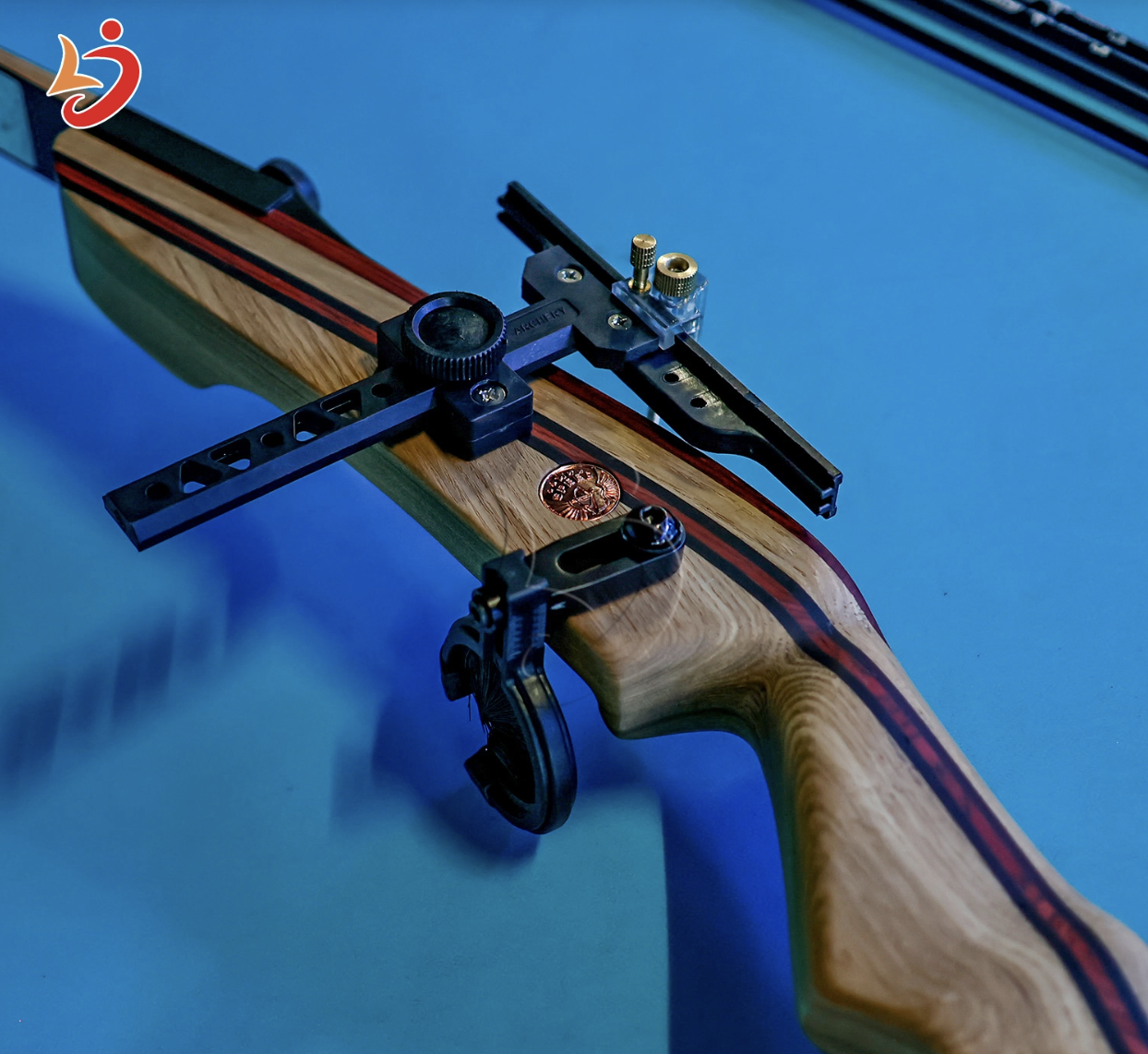
Indoor archery targets are designed to test precision and consistency. The standard size for indoor targets is typically 40 centimeters in diameter. This size offers a balanced challenge—large enough for beginners and precise enough for advanced archers.
For international competitions, the targets are smaller than outdoor ones, which are usually 80 centimeters. The indoor targets feature three concentric scoring rings—each with specific diameters—arranged in a vertical line. These rings are painted in five distinct colors: white, black, blue, red, and gold (or yellow). The colors help archers quickly identify scoring zones during shooting.
Different bow styles have specific target face designs:
Recurve archers shoot at targets with a 10-ring measuring 4 centimeters in diameter.
Compound archers aim at similar targets, but their 10-ring is halved to 2 centimeters for greater difficulty.
Barebow archers use full-sized, single-spot targets with all five color rings, each measuring 40 centimeters.
The targets are mounted on sturdy but lightweight stands, allowing easy setup and transport. Behind the target face, a safe arrow stop curtain absorbs missed shots, preventing arrows from passing through.
Scoring rings are crucial because they determine the archer’s accuracy and skill level. Each ring has a specific point value:
Inner 10-ring: 10 points, the highest score. It’s the smallest and most difficult to hit.
Outer rings: decreasing point values, typically from 9 down to 1, as they expand outward.
In indoor competitions, the goal is to consistently hit the inner rings, especially the 10-ring. This requires great control, technique, and focus. The small size of the 10-ring (4 cm for recurve, 2 cm for compound) pushes archers to improve their precision.
The scoring rings are marked clearly on the target face, often with contrasting colors. During competition, the score is recorded based on where the arrow lands within these rings. The accuracy of scoring depends on precise measurement, especially in close calls.
In team and individual events, consistent high scores—mostly from hitting the 10 and 9 rings—are vital for winning. The design of the scoring rings encourages archers to aim for the center, honing their technique over time.
Tip: When designing or selecting targets for indoor archery, ensure the rings are clearly marked and contrast well with the background for quick scoring and safety.
Safety is the top priority in any indoor archery setting. To keep everyone safe, strict rules and procedures are put in place. First, there must be a clearly marked shooting line, usually at least 1.25 meters (about 4 feet) wide, where archers stand while shooting. Only the person shooting should be on the shooting line; others must stay behind it until their turn.
Behind the targets, a sturdy arrow stop curtain or backstop is essential. These barriers catch stray arrows and prevent accidents. They should be made of dense materials like layered straw or foam and are checked regularly for wear. If arrows pass through or damage the barrier, it must be repaired immediately.
The range should have a safe waiting area at least 3-5 meters (10-16 feet) behind the shooting line. Archers waiting their turn must stay here, ensuring no one walks into the shooting zone unexpectedly. During practice or competitions, only authorized personnel, such as coaches and officials, are allowed beyond the shooting line.
Other safety measures include clear signage, such as “Range Closed,” “No Shooting,” or “Arrows in Use,” to inform everyone of active shooting sessions. Spectators must remain behind barriers or in designated safe zones, typically at least 10 meters away from the targets.
Range access should be controlled. Doors or entry points must be locked during shooting times, preventing accidental entry. When setting up or maintaining the range, all personnel should wear appropriate protective gear, and arrows should only be nocked and drawn when on the shooting line.
Finally, regular safety briefings help remind everyone of proper conduct. All participants should understand and follow safety rules, like never drawing a bow without an arrow, always pointing arrows downrange, and waiting for the command to shoot.
Indoor archery competitions follow specific formats to ensure fair play and excitement. Most events start with a qualification round, where each archer shoots a set number of arrows—commonly 60—at the target from a fixed distance, usually 18 meters. Their total score determines their ranking.
From these rankings, the top archers advance to head-to-head matchplay. In individual matches, the most common format is the set system. Each set consists of three arrows. The archer who scores the most points in a set earns two set points; if tied, each gets one. The first to reach six set points wins the match. If tied after five sets, a tiebreak shoot-off decides the winner.
Team matches follow a similar set system but with six arrows per set, and the first team to five set points wins. If the score is tied at four, a tiebreak occurs, where each archer shoots one arrow, and the closest to the center wins.
For compound bows, matches are decided based on cumulative score. Each archer or team shoots a fixed number of arrows—15 for individuals, 24 for teams—and the highest total score wins. If scores are tied, a tiebreak shoot-off, similar to individual scoring, takes place.
Tiebreak procedures are straightforward: each archer shoots one arrow at the center, and whoever's arrow lands closest wins. If still tied, additional shoot-offs occur until a clear winner emerges.
These formats promote fairness and excitement, testing both consistency and the ability to perform under pressure. They also make competitions more engaging for spectators and participants alike.
Tip: Always conduct safety briefings before events, emphasizing range rules, proper arrow handling, and emergency procedures to prevent accidents.
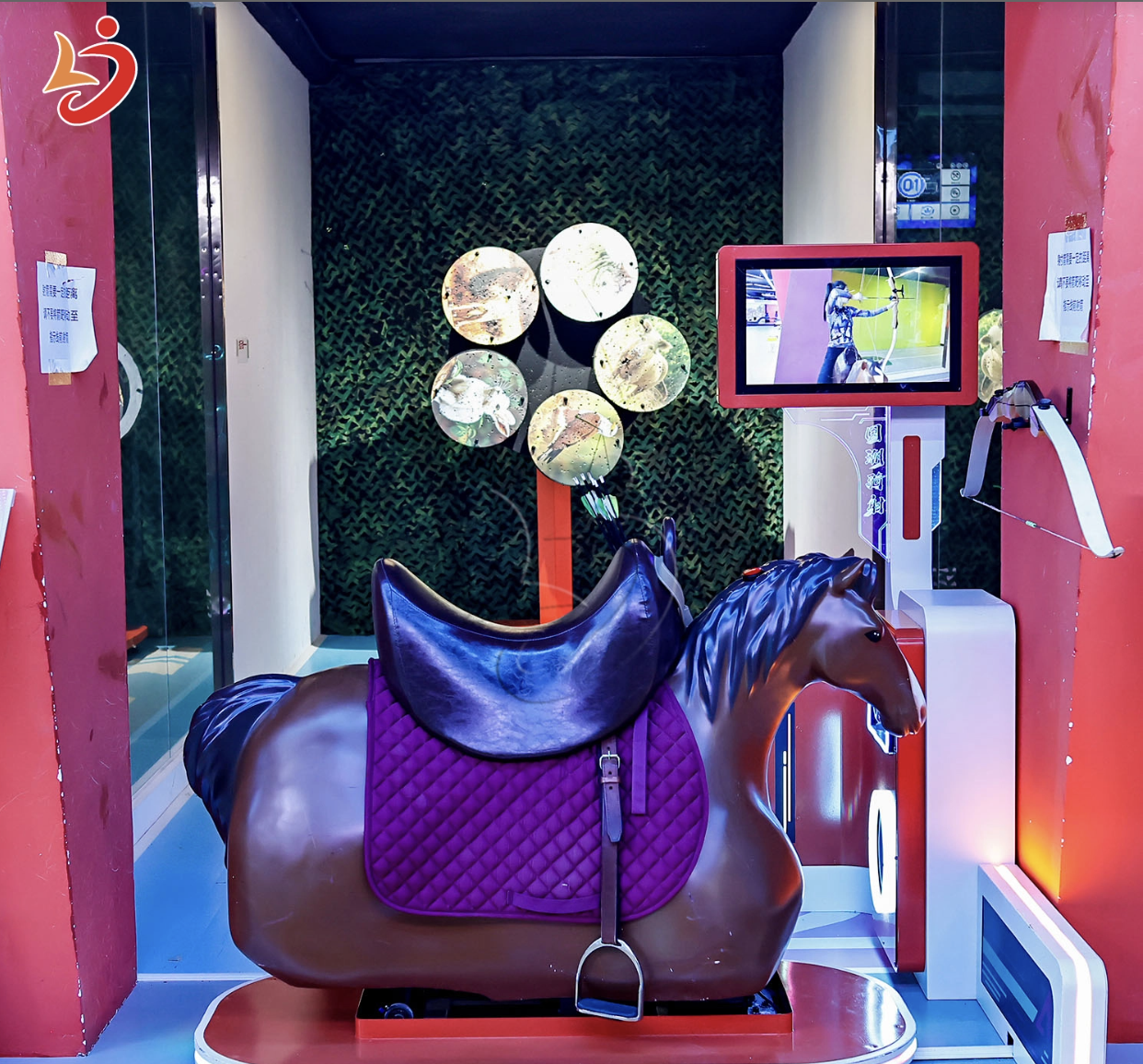
Indoor archery requires specific equipment to ensure safety, precision, and consistency. The main gear includes bows, arrows, and accessories that are tailored to the indoor environment and standard competition rules.
Recurve bows are the most common in indoor archery. They have limbs that curve away from the archer when unstrung, providing a smooth draw and good control. Recurve bows are popular because they are versatile, easy to handle, and meet most competition standards. They typically have a draw weight ranging from 20 to 50 pounds, suitable for both beginners and advanced shooters.
Compound bows use a system of pulleys and cables to reduce the holding weight at full draw. This allows archers to aim more steadily and shoot more accurately. They are favored in competitive settings for their precision and consistency. Compound bows have a wide range of draw weights, often from 40 to 70 pounds, but indoor competitions usually prefer lower weights for safety and ease of use.
Barebow archery involves shooting without sights, stabilizers, or other aiming aids. These bows are often simple recurve or longbows, emphasizing skill and instinctive shooting. Barebow competitions focus on accuracy and technique, making equipment choices minimal but precise.
The arrows used in indoor archery are designed to match the bow type and competition rules. They are generally made from carbon, aluminum, or a combination of both, offering lightweight and high strength for better accuracy.
Arrow length: Typically ranges from 26 to 31 inches, depending on the archer’s draw length and bow type.
Arrow diameter: For recurve and barebow, the diameter is usually about 7-8 mm. Compound arrows tend to be slightly thinner, around 5-6 mm, to reduce wind resistance and improve aerodynamics.
Arrow spine: Refers to the stiffness of the arrow shaft. Proper spine selection is essential for consistent flight. It depends on the bow’s draw weight and arrow length.
Fletching: Usually three vanes or feathers that stabilize the arrow in flight. The size and material can vary but are optimized for indoor shooting conditions.
Points: Field points or target points are used. They are typically 9-13 mm in diameter, made of steel or brass, and designed for easy penetration and retrieval.
Archers also use accessories like arm guards, finger tabs or gloves, quivers, and stabilizers to improve comfort and accuracy. Proper fitting and maintenance of all equipment are vital for safety and performance.
Tip: Regularly inspect and maintain your bows and arrows to ensure safety, consistency, and optimal performance during indoor competitions.
When setting up an indoor archery range, the first step involves planning the space carefully. The ideal range should have a clear, open layout to ensure safety and comfort. Most indoor ranges are designed with a shooting line, typically 18 to 25 meters from the targets, depending on the competition or practice needs.
The width of the range is crucial. It should comfortably fit multiple lanes—usually between 10 to 20—to accommodate various skill levels and group sizes. Each lane should be at least 1.2 meters (about 4 feet) wide to give archers enough room to draw, aim, and shoot without interference. For larger facilities, wider lanes can improve safety and comfort.
Behind the shooting line, there should be a designated space for equipment and spectators, often extending 3 to 5 meters (10 to 16 feet). This area allows archers to prepare their gear and provides a safe zone for those not actively shooting. The space behind the targets must be spacious enough—at least 20 meters—to prevent any accidental injuries from stray arrows.
Targets are placed at a consistent height, generally around 1.2 to 1.5 meters (4 to 5 feet) from the ground. Proper positioning ensures all archers have a clear line of sight. The targets themselves are usually 40 centimeters in diameter, with concentric scoring rings. They are mounted on sturdy stands or frames that can be easily moved or replaced.
Lighting plays a vital role. Bright, even lighting reduces shadows and helps archers aim accurately. Avoid glare or reflections that could distract shooters. Ventilation is also important, especially in enclosed spaces, to keep air fresh and comfortable.
Safety barriers, such as curtains or walls, should be installed behind the targets to catch stray arrows. These barriers need to be made from dense, arrow-resistant materials and extend at least 10 meters high. The layout should also include clear signage indicating shooting zones, safety rules, and emergency exits.
Safety is the backbone of any successful indoor archery range. Before opening, establish strict safety protocols. All visitors and shooters must receive a safety briefing covering range rules, proper equipment handling, and emergency procedures.
The shooting line should be clearly marked and only accessible to archers actively shooting. No one should walk past the shooting line during a round. Behind the targets, a high-quality arrow stop curtain or backstop must be installed. These barriers are designed to absorb missed arrows and prevent them from passing through.
Regular maintenance of safety equipment is essential. Check backstops, target stands, and barriers for wear or damage. Replace or repair any compromised components immediately. Proper arrow retrieval procedures should be in place—arrows should only be retrieved after all shooting has ceased and the range is declared safe.
Personal protective gear enhances safety. Archers should wear arm guards, finger tabs, or gloves to prevent injuries. Coaches and staff must be vigilant, enforcing rules and managing the flow of shooters.
Finally, control access points to the range. Lock doors or gates during shooting sessions to prevent accidental entry. Emergency exits should be clearly marked, unobstructed, and easily accessible. Regular safety drills help everyone stay prepared for unexpected situations.
Creating a safe, well-organized indoor archery range involves thoughtful layout and strict safety measures. Proper planning ensures that shooters can focus on improving their skills while minimizing risks.
Indoor archery involves shooting at targets within a controlled environment, typically at distances of 18 or 25 meters. It emphasizes precision due to smaller targets compared to outdoor archery. Safety protocols and standardized equipment ensure a secure and fair experience for all participants. The future of indoor archery looks promising as it becomes more accessible and popular worldwide. Liangjia Sports Technology (Guangzhou) Co., Ltd. offers high-quality archery equipment that enhances performance and safety, making it ideal for both beginners and professionals.
A: The standard Indoor Archery Range distance is typically 18 meters, commonly used for beginner and recreational activities.
A: Indoor Archery Range offers a controlled environment with shorter distances, typically 18 or 25 meters, unlike outdoor archery, which involves longer distances and natural elements.
A: Safety measures in an Indoor Archery Range prevent accidents, ensuring a secure environment for archers and spectators by utilizing barriers and strict protocols.
