


Sports simulators have become a significant part of both professional and recreational sports activities. These cutting-edge systems replicate the experience of playing sports in a virtual environment, providing users with an immersive, accurate, and efficient way to practice, train, and play without the need for physical fields or courts. The question often arises, why are simulators used? Whether it's a golf simulator, a soccer simulator, or a multi-sport simulator, these systems offer numerous benefits that go far beyond mere entertainment. In this article, we will explore the reasons behind the growing popularity and widespread use of sports simulators, highlighting the benefits they bring to athletes, enthusiasts, and businesses alike.
From improving skills and performance to offering new ways to enjoy sports, sports simulators have proven to be a game-changer in various fields, from training and entertainment to education and fitness. This article will delve into the many reasons simulators are used across different industries, the technology that powers them, and their impact on the world of sports and beyond.
Before exploring why sports simulators are used, it's important to define what a sports simulator is and how it works. A sports simulator is a technology-driven system that replicates the experience of playing a sport in a virtual environment. Using a combination of motion tracking, sensors, AI, and high-definition displays, a sports simulator can mimic various sports like golf, soccer, basketball, tennis, and more.
For example, a golf simulator allows players to hit a virtual ball onto a screen that displays a 3D-rendered golf course, while the system tracks the ball’s trajectory, speed, spin, and other factors, providing real-time feedback. This allows players to practice their swings and techniques without needing a physical golf course.
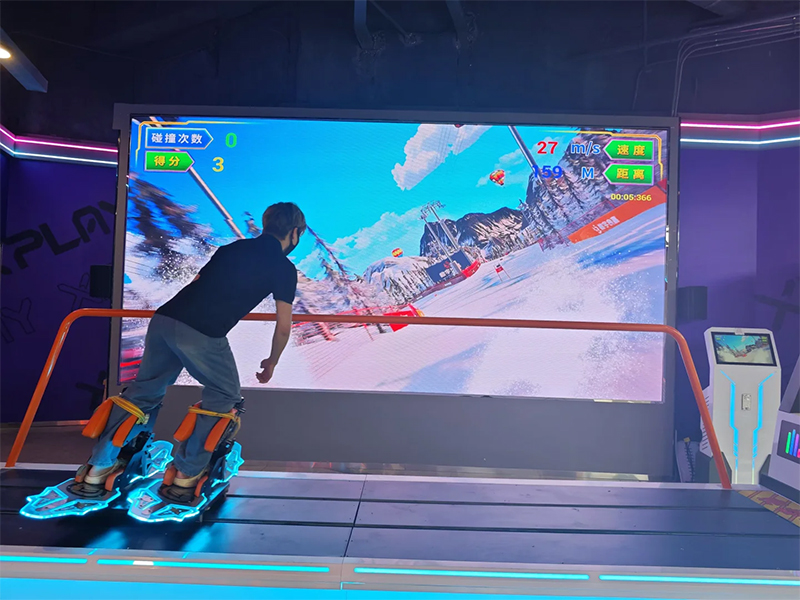
Motion Tracking: The technology used to track a player’s movements and actions, such as the swing of a club or the kick of a soccer ball. Sports simulators use motion sensors or cameras to track the position and speed of the player’s movements.
Sensors and Launch Monitors: These systems track and measure the ball's speed, trajectory, and spin after the player takes a shot. In a golf simulator, a launch monitor tracks the speed and angle at which the ball is hit.
Software: The software is responsible for processing the data gathered by the sensors and motion tracking devices. It recreates the virtual environment, simulating real-world conditions like wind, terrain, and ball movement.
Projectors and Screens: These are used to display the virtual environment and project the images of the sports courses or fields. The sports simulator uses a projector to project high-definition graphics, allowing players to visualize their actions in real-time.
Simulators are used in a variety of settings and for various purposes. Below, we will explore the key reasons why sports simulators are widely used in training, entertainment, education, and even healthcare.
One of the primary reasons sports simulators are used is for training and skill development. These systems offer an effective way for athletes to improve their techniques in a controlled, simulated environment.
Sports simulators provide real-time data and analytics, giving players immediate feedback on their performance. For example, in a golf simulator, players can see how their swing impacts the ball, including the ball’s speed, spin, and trajectory.
This immediate feedback allows players to adjust their form and technique, which can significantly speed up the learning process. Sports simulators are designed to simulate real-world conditions, helping players improve their skills in ways that traditional practice methods may not.
Sports simulators allow players to practice as often as they like, without worrying about weather conditions, time of day, or access to a physical field. This consistency is especially useful for athletes who need to practice specific skills or techniques regularly.
The ability to practice year-round in any condition also makes sports simulators an essential training tool for both amateur and professional athletes.
For many athletes, accessing high-quality training facilities can be expensive. Sports simulators offer a cost-effective alternative by providing the same (or even better) training opportunities at a lower cost.
Using a sports simulator means players don't have to travel to physical locations such as golf courses, tennis courts, or sports arenas, saving both time and money. This can be especially beneficial for sports like golf, which require expensive green fees and traveling to different courses.
Sports simulators also eliminate the costs associated with maintaining a physical venue. Whether it’s a golf course, tennis court, or soccer field, maintaining these facilities can be expensive and time-consuming.
While the initial cost of a sports simulator can be high, it provides a long-term investment by reducing ongoing expenses like travel, membership fees, and rental charges. For those who frequently practice or compete in a particular sport, a sports simulator can quickly pay for itself in savings.
Another reason sports simulators are used is their accessibility and convenience. With a sports simulator, players can practice their sport from the comfort of their home or local facility.
Many sports simulators are designed for home use, with compact setups that fit in garages, basements, or spare rooms. This allows athletes to practice without leaving their home, saving time and providing flexibility.
Home-based sports simulators are particularly beneficial for people living in areas where access to certain sports facilities is limited or unavailable.
Sports simulators cater to athletes of all skill levels. Whether you're a beginner or a professional, these systems can adjust the difficulty and provide tailored feedback to help players improve. For beginners, simulators offer a low-pressure environment to practice, while advanced players can use the detailed analytics to perfect their technique.
In addition to training, sports simulators are widely used for entertainment and recreational purposes. They provide a fun and interactive way for people to enjoy sports virtually, without needing to be on a physical field or court.
Many sports simulators feature multiplayer modes, allowing friends and family to compete against each other in various sports. This can be a great way to spend time together, whether you're playing a round of virtual golf or engaging in a soccer match.
The competitive nature of sports simulators adds excitement and engagement, making them popular for both casual players and serious sports enthusiasts.
High-quality sports simulators offer an immersive experience that combines realistic graphics, motion tracking, and real-time feedback. This level of immersion makes playing virtual sports enjoyable and authentic, even for those who may not be active athletes.
The technology behind sports simulators continues to improve, with advancements in graphics, AI, and motion tracking making the experience more realistic and engaging.
Sports simulators are used not only for amateur players but also for professional athletes and coaches. They provide an innovative tool for training and improving performance in professional sports.
Sports simulators are used by coaches to analyze their athletes' performance and provide targeted advice for improvement. For instance, a soccer simulator can analyze players’ kicks, shots, and dribbles, offering data that coaches can use to improve their athletes’ technique.
In professional golf simulators, players can practice on world-famous courses, providing valuable experience and understanding of different course layouts without traveling. Coaches can also use data to evaluate a player's swing and overall performance.
Sports simulators can also play a role in physical rehabilitation. For athletes recovering from injuries, simulators offer a controlled environment where they can practice without putting too much strain on their bodies.
These systems can also be used to monitor recovery progress, providing valuable data on how well an athlete is performing after an injury.
Simulators have also opened up new business opportunities, especially in the realm of sports entertainment and facilities.
Many entertainment venues, including arcades, sports bars, and family entertainment centers, have embraced sports simulators as part of their offerings. These simulators provide an additional attraction for customers, drawing in people who want to experience their favorite sports in a new and exciting way.
Sports simulators also offer businesses a new revenue stream. Players often pay for time spent using the simulator, making it a profitable addition to businesses in the entertainment sector.
Sports simulators are also used for organizing virtual competitions and events. These events can attract a wide audience, especially if they feature popular sports like golf, soccer, or basketball. Virtual tournaments allow players from all over the world to compete without the need for physical travel.
A1: The cost of a sports simulator can vary widely depending on the type and complexity. Basic systems can start from $2,000, while high-end models can cost over $50,000.
A2: Sports simulators provide real-time feedback on a player’s performance, allowing them to see how their shots, swings, or movements affect the outcome. This feedback helps players adjust their technique and improve their skills.
A3: Yes, many sports simulators are designed for home use and can be set up in spaces like garages, basements, or even living rooms.
A4: Yes, sports simulators cater to players of all skill levels, from beginners to professionals. They can adjust the difficulty level and provide customized feedback to help players improve.
A5: Yes, many sports simulators offer multiplayer modes, allowing friends and family to compete against each other in various sports.
In conclusion, sports simulators are used for a wide range of purposes, from training and skill improvement to entertainment and business opportunities. Whether you are an athlete looking to refine your technique, a business owner wanting to attract customers, or simply someone looking for a fun way to enjoy sports, sports simulators provide a versatile and effective solution. With their ability to offer realistic, interactive experiences and real-time feedback, sports simulators are transforming the way we train, play, and experience sports.
